

A second suspected baby graveyard has been uncovered at a former Irish mother-and-baby home, deepening one of the country’s most disturbing historical scandals.
Investigators now believe that the remains of almost 800 infants may be buried across two separate sites connected to the Tuam institution, which operated for decades under the care of Catholic nuns.
New Excavation Uncovers Another Possible Burial Site
The latest discovery comes from excavation work launched this summer by the Office of the Director of Authorized Intervention in Tuam (ODAIT) – an independent body tasked with examining the grounds surrounding the former Bon Secours Mother and Baby Home.
ODAIT investigators revealed they found "consistent evidence" of a second potential burial ground, even though there had been no visible surface indicators suggesting graves at that location. Director Daniel MacSweeney confirmed the area lies less than 105 yards from the now-infamous septic tank where the remains of 769 children are believed to have been discarded between the 1920s and 1960s.
To date, excavation teams have uncovered the remains of 11 infants, each found within coffins. Forensic testing is underway to determine identities, ages, and timelines. The investigation is expected to take years, with the potential for more remains to be uncovered as digs continue.
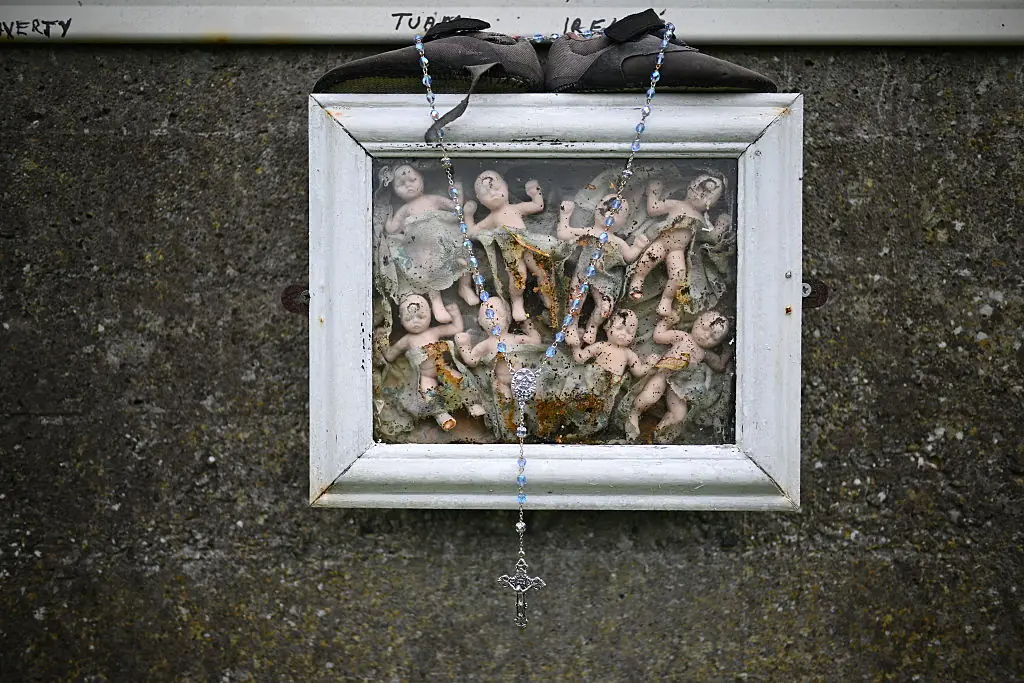
A memorial left outside the mother and baby house in Tuam. Credit: Charles McQuillan/Getty Images.
DNA Collection Begins as Families Seek Answers
So far, 160 individuals have volunteered DNA samples in hopes of determining whether their relatives were among the children who died at the Tuam home. ODAIT is urging more potential family members – especially those with links to the region between 1925 and 1961 – to come forward.
MacSweeney stressed that identifying the infants remains a top priority, particularly for surviving parents, siblings, and extended family who have spent decades searching for answers.
A Dark History of Mother-and-Baby Homes
Known locally as The Home, the Bon Secours facility in Tuam was one of many church-run institutions where unmarried pregnant women were sent throughout the 20th century. Under strict social and religious norms, these women were forced to give birth in secret and were then separated from their newborns shortly after delivery, BBC News reports.
Most babies were raised by nuns until they were quietly adopted – often overseas to the United States, Canada, and Australia. The mothers, many of them only teenagers, were required to perform a year of unpaid labor as repayment for their stay.
Records indicate that around 800 children died at the Tuam home between 1925 and 1961, yet only two were officially buried in a cemetery. The rest were never formally recorded, leading to decades of suspicion and grief.
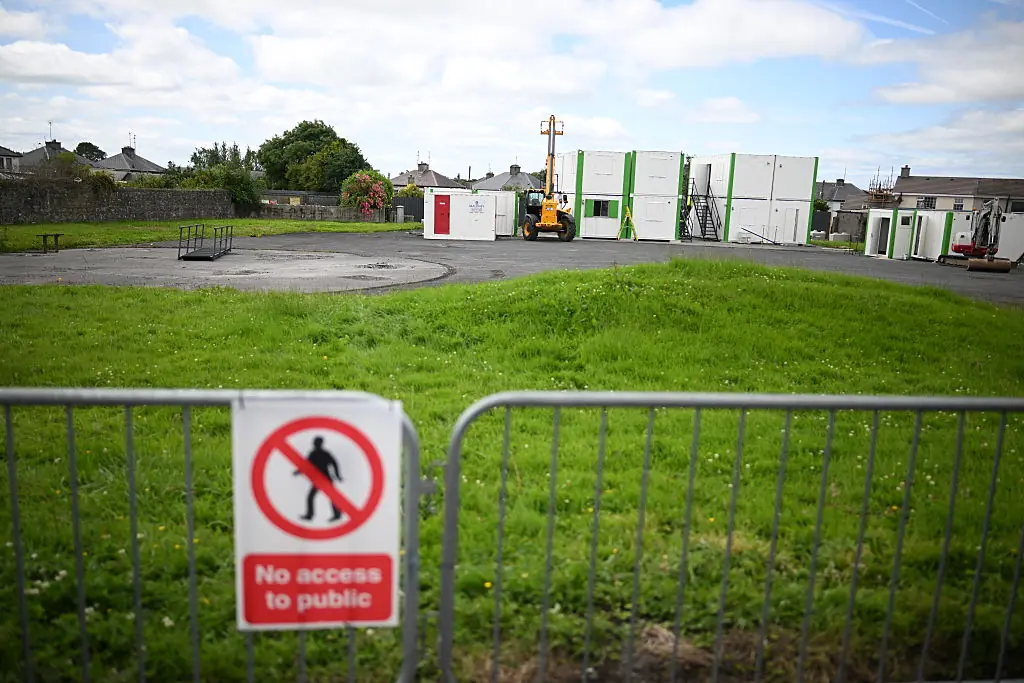
Credit: Charles McQuillan/Getty Images.
Ireland Confronts One of Its Worst Scandals
A major government inquiry launched in 2015 revealed “significant quantities” of human remains on the property and confirmed an “appalling level of infant mortality” across multiple mother-and-baby homes nationwide.
Following the findings, the Irish government issued a formal apology in 2021, and the Sisters of Bon Secours released their own statement of remorse.
With the latest discovery, investigators warn that further revelations are likely. The forensic process is expected to continue for at least two more years, as Ireland works to bring closure to families and confront the full scope of its past.